
Exploring Circular Economy Opportunities Through Pyrolysis
Tucked away just off Abbeydale Road in Sheffield, the Old Dairy site has long been part of the area's industrial and commercial landscape. Today, the site is occupied by Acme Arb, a well-established arboriculture business handling tree management, pruning, removals, and associated green waste streams. As cities seek more sustainable ways to manage organic waste and reduce carbon emissions, the Old Dairy presents an exciting opportunity to demonstrate how underutilised urban sites can be transformed into hubs for circular economy innovation.
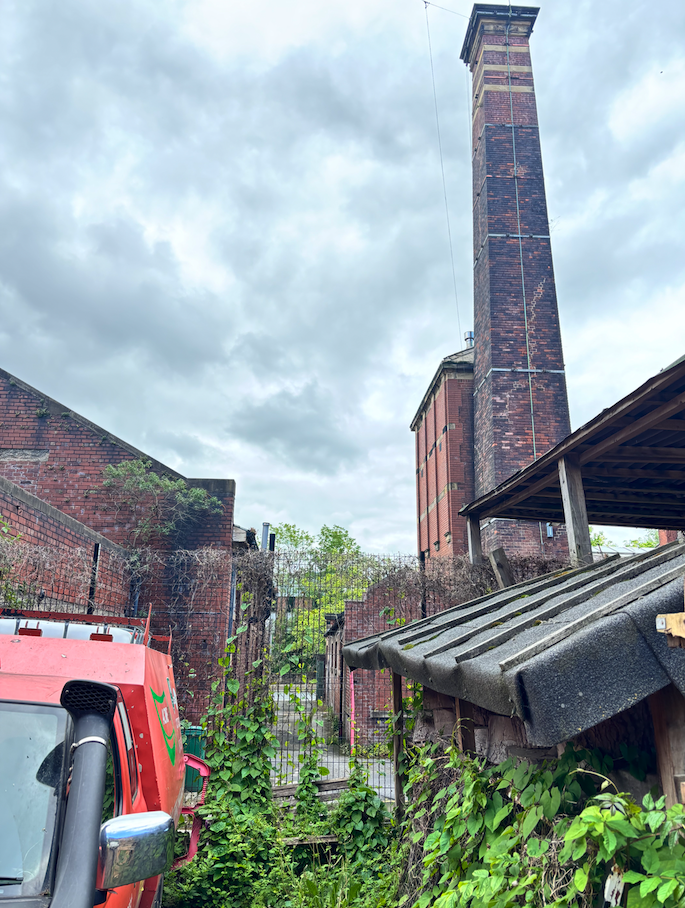
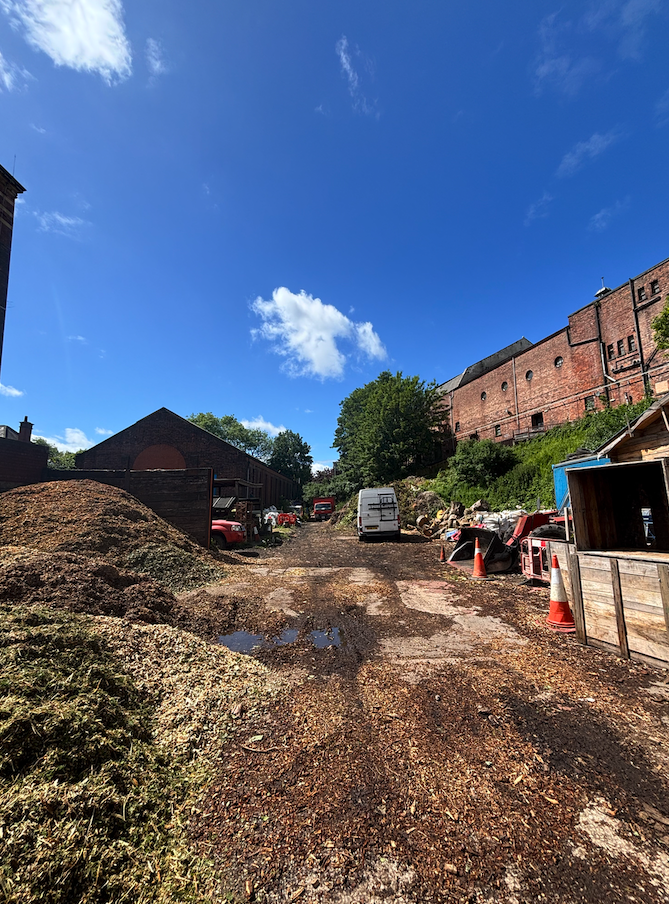
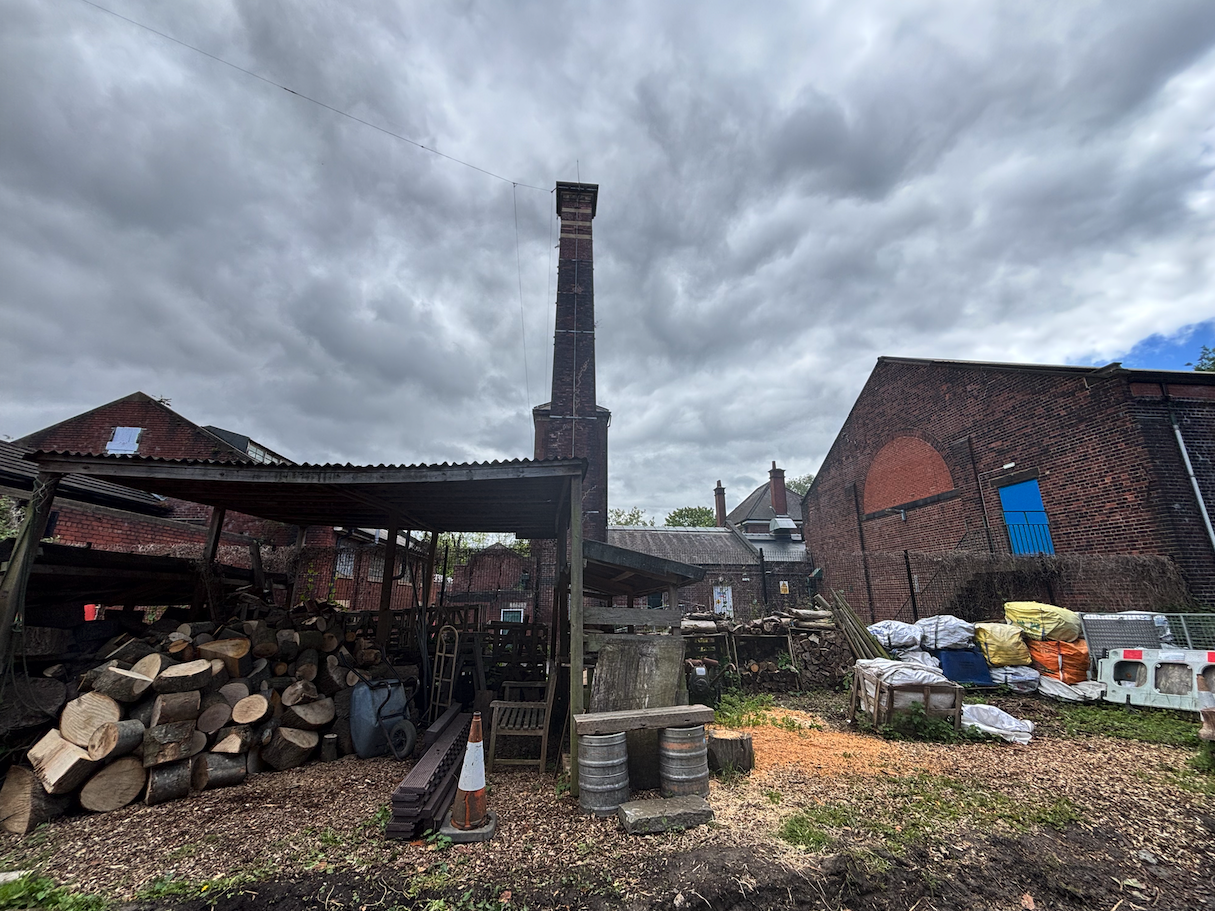
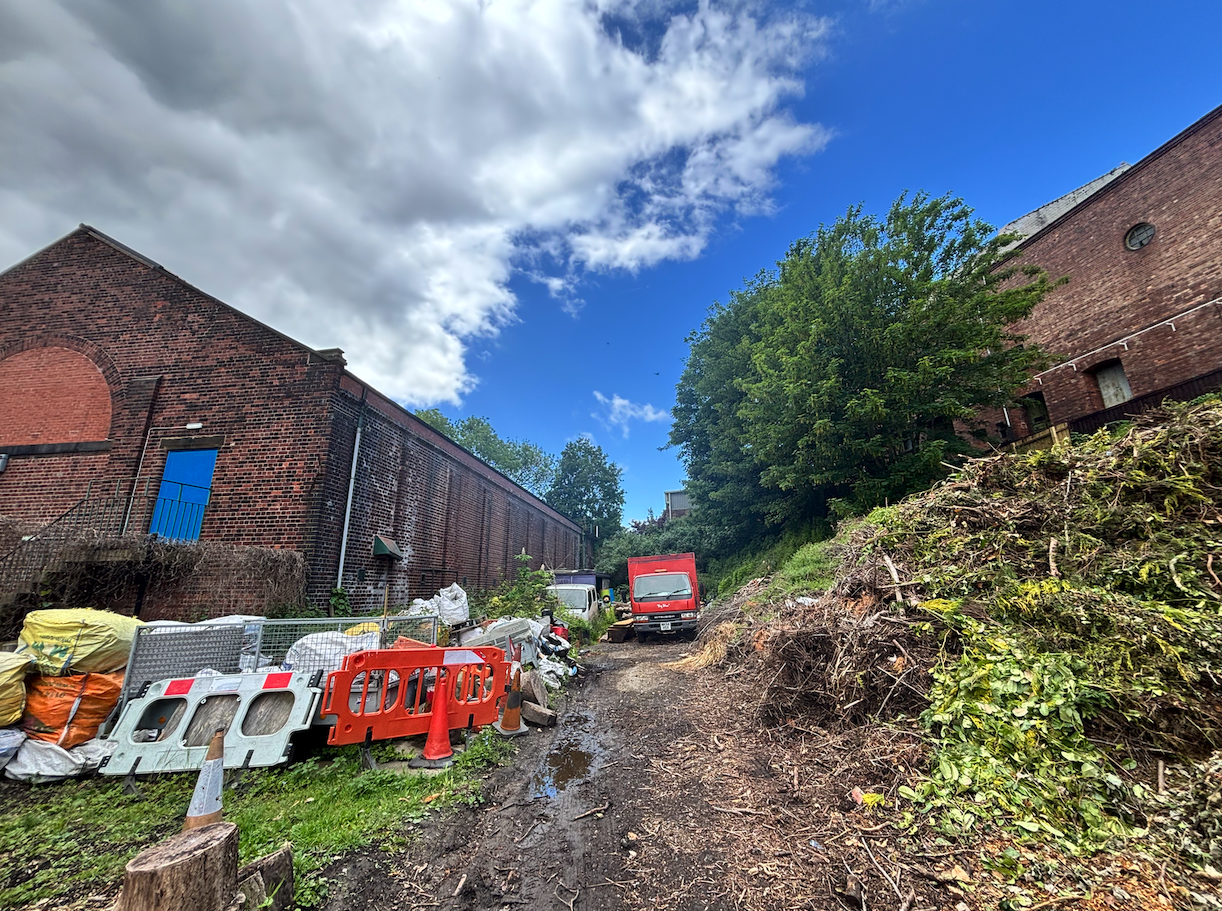
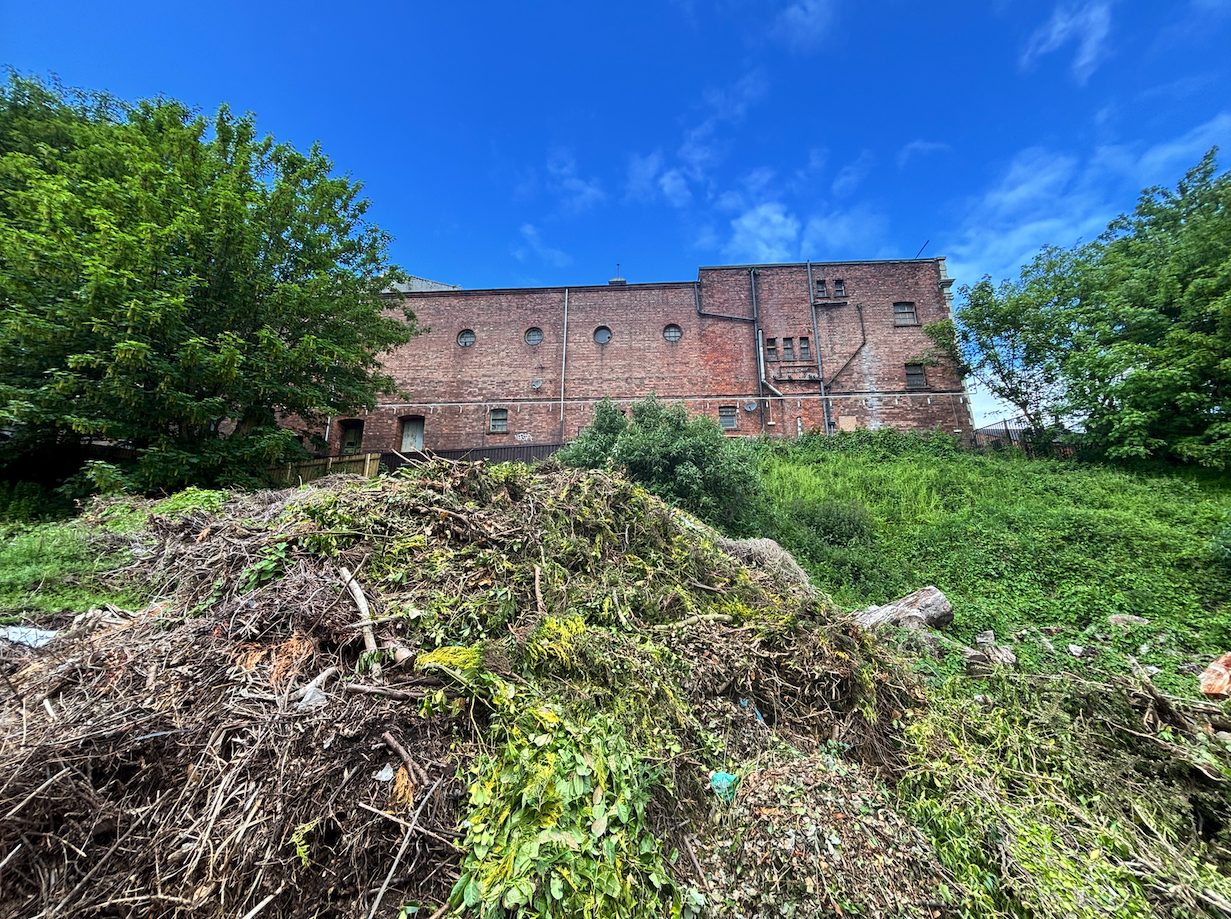
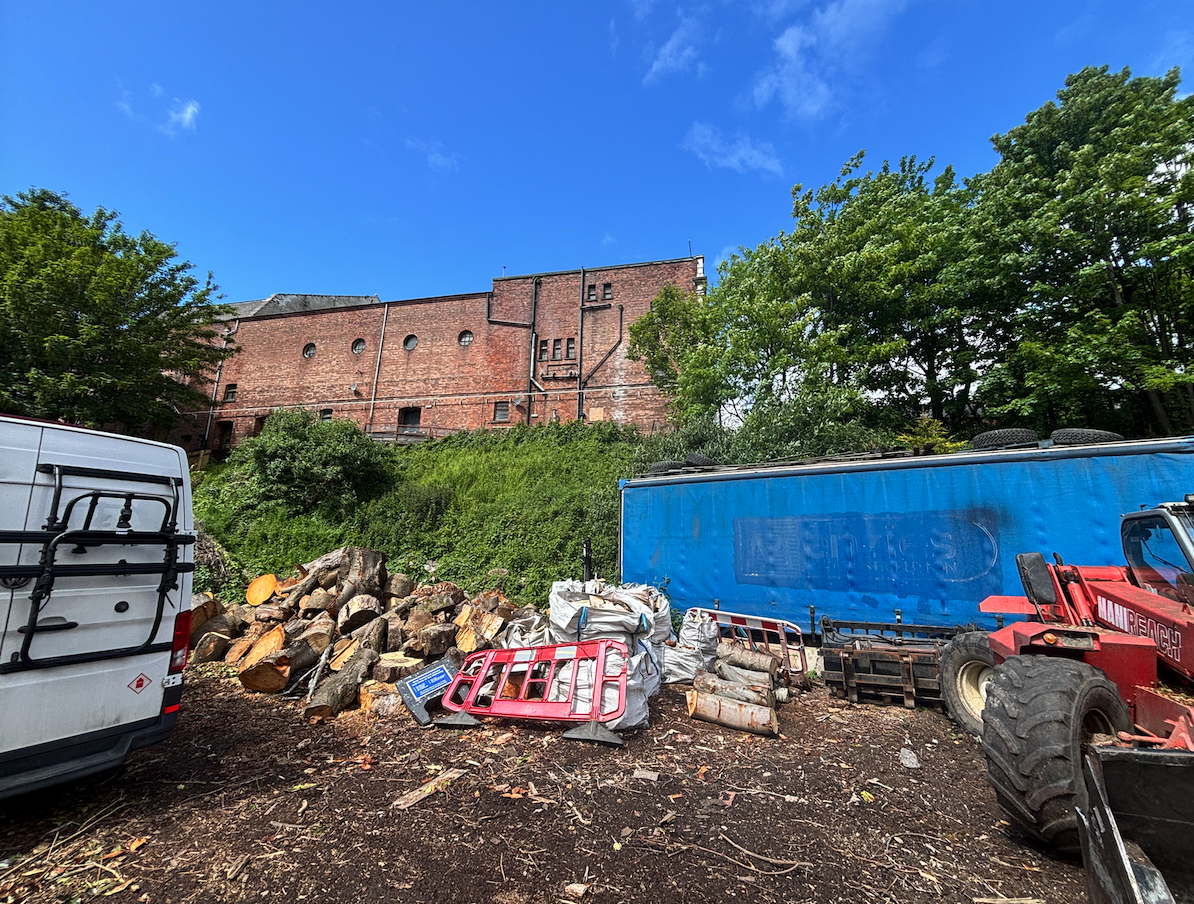
One of the most promising opportunities under investigation is the deployment of a pyrolysis facility capable of converting arboricultural waste into valuable products including renewable energy, biochar, and woodchip. Over recent months, the project team has been exploring how such a system could operate commercially, environmentally, and technically within Sheffield's evolving low-carbon economy.
What is Pyrolysis?
Pyrolysis is a thermal process that heats biomass in a low-oxygen environment, preventing combustion and instead breaking organic material down into useful outputs. Unlike traditional disposal methods, pyrolysis can unlock value from waste streams while reducing greenhouse gas emissions.
For the Old Dairy project, arboricultural arisings from Acme Arb and other regional biomass sources could potentially be converted into:
Renewable heat and electricity
Woodchip and biomass products
Biochar for carbon sequestration and soil enhancement
Carbon removal credits associated with long-term carbon storage
The project aims to identify how these outputs can be effectively utilised within a local circular economy model, ensuring that as much value as possible remains within the region.
Evaluating Different Delivery Models
A key aspect of the project has been assessing different operational and commercial models for the facility.
Rather than focusing solely on technology selection, the team has been examining the wider ecosystem surrounding the site. This includes understanding feedstock availability, logistics, regulatory requirements, carbon accounting approaches, and the potential markets for each output generated by the pyrolysis process.
Several options are being explored for ownership and operation, ranging from standalone commercial operation through to partnership-based approaches involving local businesses and energy users. Each model presents different opportunities and challenges in terms of risk, investment requirements, revenue generation, and long-term resilience.
The objective is to identify a model that can simultaneously deliver economic value, support local decarbonisation objectives, and maximise circular resource flows.
Finding the Right Offtakers
A crucial element of any successful pyrolysis project is securing reliable offtakers for the products created.
Energy Offtake
The energy produced by the pyrolysis process could potentially be supplied to nearby industrial and commercial users with significant heat or electricity demands.
The team has been exploring a range of options, including:
Direct supply to neighbouring businesses
Integration with local energy networks
Private wire arrangements
Heat supply opportunities for industrial users
Potential future integration with district heating infrastructure
Understanding local demand profiles and infrastructure constraints is helping shape the most viable deployment scenarios.
Woodchip Markets
In addition to energy generation, the process produces woodchip material that may have value across several sectors.
Potential offtake opportunities include:
Biomass fuel supply chains
Landscaping and horticultural applications
Construction and environmental projects
Animal bedding markets
Urban greening initiatives
The suitability of individual markets depends on product quality specifications and the operational configuration ultimately selected for the site.
Biochar Applications
Perhaps the most exciting output under evaluation is biochar.
Biochar is increasingly recognised for its ability to improve soil health, retain nutrients and moisture, and permanently store carbon captured from the atmosphere through plant growth. As a result, demand is emerging across a wide range of sectors, including:
Agriculture
Forestry and woodland management
Landscaping
Habitat restoration projects
Sustainable construction materials
Carbon removal and offset markets
The team is investigating how local and regional demand could support a sustainable biochar market while contributing to wider carbon reduction goals.
A Collaborative Team Effort
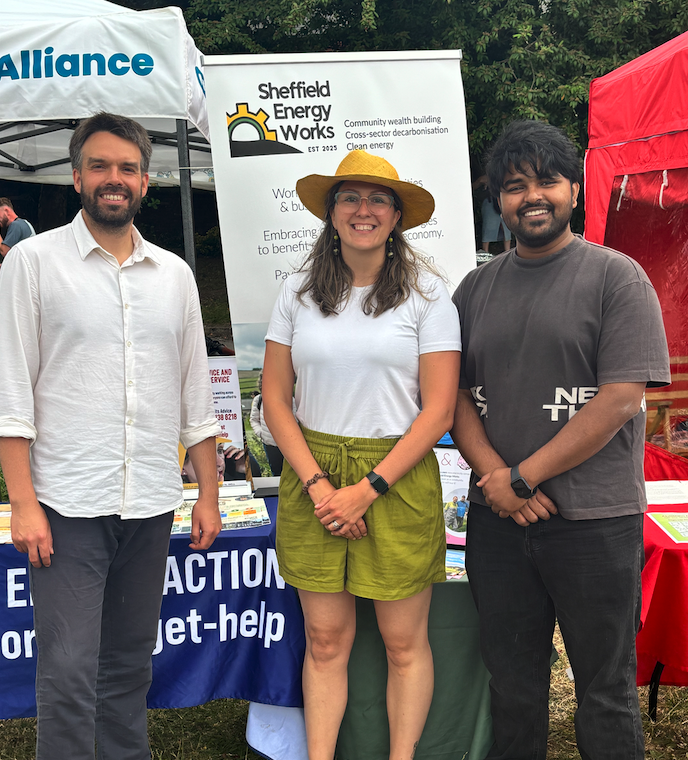
The development work undertaken so far reflects a highly collaborative approach involving expertise from across multiple disciplines.
As Circular Economy Specialist, Project Lead Elliott Bint has played a central role in assessing how materials and resources can flow through the system to maximise value retention and minimise waste. His work has helped frame the project within broader circular economy principles, ensuring that resource recovery opportunities are considered alongside technical and commercial factors.
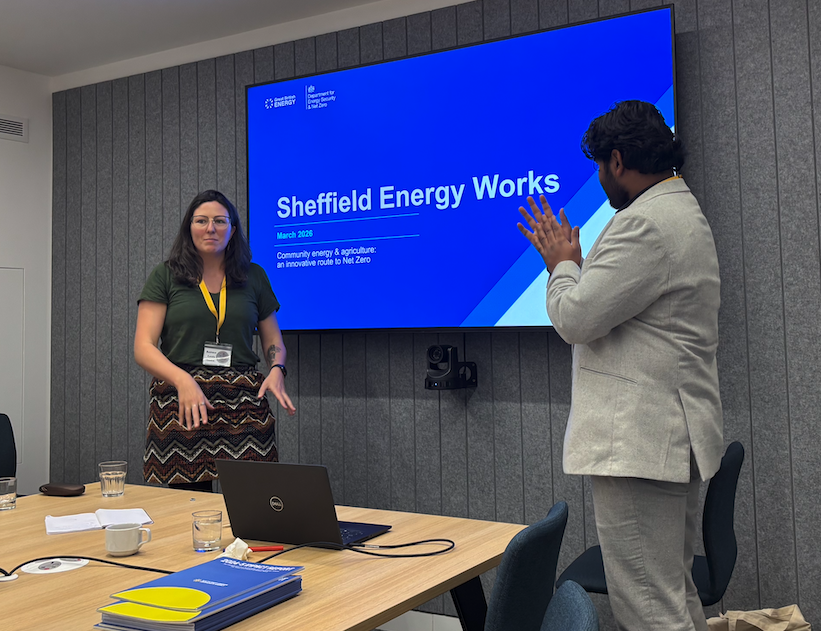
Project Manager Lakshmi D. Vemula has led stakeholder coordination of the project while also undertaking extensive carbon and financial modelling. This work has been instrumental in understanding the environmental performance of different scenarios and assessing their commercial viability. By bringing together technical, operational, and economic considerations, the modelling is helping to identify pathways that can deliver both carbon and financial benefits.
The project has also benefited from the support of summer intern Musa Semin, who has contributed significantly to the Life Cycle Assessment (LCA) workstream. Through detailed analysis of potential environmental impacts across the full project lifecycle, Musa's work has provided valuable evidence to support decision-making and strengthen the project's sustainability credentials.
Looking Ahead
The Old Dairy Pyrolysis project represents much more than a waste management solution. It is an opportunity to demonstrate how urban sites can become catalysts for circular economy innovation by turning local biomass resources into valuable products, renewable energy, and long-term carbon storage.
As the team continues to evaluate technology options, business models, and offtake opportunities, the project is building a clearer picture of how Sheffield can capture greater value from its green waste streams while supporting net zero ambitions.
By combining practical resource management with innovative carbon solutions, the Old Dairy has the potential to become an example of how local infrastructure can deliver environmental, economic, and community benefits through circular thinking.